


This is final part of my collaboration with Screendollars in which we spoke to 246 cinema owners and exhibition-affiliated film professionals. We quizzed them on a range of topics, and their answers were very revealing.
You can read the other parts here:
Can cinemas survive the next 20 years? Exhibition execs on the post-COVID recovery and beyond
What the exhibition sector thinks the next generation of cinema-goers wants
In this article I will focus on what our interviewees think of the next generation of cinema-goers.
In this final part of our four-part research project, I want to share the direct and honest feedback I heard from cinema owners, programmers, and exhibition executives. These are the people who work with audiences every day, i.e. the people with the strongest incentive to get it right.
They called on the industry to:
Tell new stories. Audiences and cinemas are fatigued by sequels and reboots, and are crying out for fresh, original films that surprise and engage.
Make films for a wide range of audiences. Cinemas need films that appeal to families, older viewers, women, and underrepresented audiences, not just the usual blockbuster crowd.
Bring back the theatrical window. Exhibitors are demanding a meaningful period of exclusivity before films move to streaming so theatrical can remain viable.
Listen to audiences. Film decisions should be driven by real audience preferences and feedback, not just industry habits or creative instinct.
Give smaller cinemas a fair chance. Current models make it difficult for independents to compete, and these venues need flexibility and business terms suited to their scale.
Invest in film promotion. Marketing budgets and support should reach beyond blockbusters so more films can find and grow their audiences.
Support cinemas with sensible ticket pricing. Rising prices risk pushing audiences away, so cinemas and studios need to work to keep moviegoing affordable for as many people as possible.
Treat cinemas as long-term partners. A stronger and more balanced partnership between exhibitors and film companies is vital for the sector’s survival.
Give cinemas more control over scheduling. Operators need flexibility to respond to audience demand, adjust showtimes, and keep their programmes relevant and fresh.
Keep film length in check. Audiences are turned off by films that run too long. Shorter, sharper features help maximise attendance and satisfaction.
Let’s go into each in a bit more depth, along with verbatim quotes so we can hear from the folks on the big screen front line.
1. Tell new stories
Cinemas are urging studios and filmmakers to take more creative risks and stop leaning on tried-and-tested formulas. Across the board, the call is for original ideas that bring something new to the big screen.
The lack of originality and diversity in the films on offer was by far and away the most common message which came up in this research.
Audiences are showing fatigue with sequels and reboots and want is a chance to be surprised, entertained, and moved by fresh voices and inventive stories.
More original ideas and less remakes.
While sequels can drive the business, we need more original content that can not only attract new audiences but grow into their own sequels or series.
There are far too many remakes, live-action remakes, sequels, and cookie-cutter new films that don't diverge from your expectations. I love it when I leave the theatre feeling refreshed and or uncomfortable because the film caught me off guard.
2. Make films for a wide range of audiences
Another complaint about the films they can show was the narrowness of the intended audience(s). There is strong demand for a broader mix of genres and life experiences, often framed as to give everyone a reason to visit the cinema.
In practice this means:
More genre diversity.
Better representation.
Attention to underserved segments like women, older viewers, and families.
Better supply of comedies, romance, faith-based stories, anime, and documentaries. In short, not just blockbusters or superhero films.
A wider mix brings more people through the doors and keeps cinema relevant for every community.
The interviewees mentioned this in a number of ways, from the short and pithy:
We need more films for women.
To the slightly more nuanced:
There seems to be a shortage of romantic comedies. People still want to escape to movies to have a laugh and a good time with relatable experiences. Need more content and release schedule divided over the entire year as too many gaps with no film content for most audiences.
Although the majority of the comments were aimed at the studios, exhibitors also appealed to independent filmmakers to fill these gaps.
Guests want more stories from independent film makers that include good marketing, so they are aware of releases. Too much emphasis is placed on major blockbusters. More studios to create faith-based movies. Angel Studios does well with their content in our market. More film releases per month or year. A key draw to streaming is not just convenience, it is also variety of available content.
Regardless of whether they are indie or studio-backed, cinemas just want a wider range of films on their screens.
I feel there is a dearth of comedies that would appeal to either a broad audience or underrepresented audiences. The occasional romantic comedy or comedic film with a predominantly black or Asian cast will pop up and usually find an audience. There should be more of that to drive regular moviegoing.
3. Bring back the theatrical window
Cinemas are crying out for a proper period of exclusivity before films hit streaming or home viewing options. They contend that when films go online too quickly, audiences learn to just wait and stay home. A strong window not only gives cinemas a chance to build buzz and revenues, it helps remind people what is special about seeing films in a shared, big-screen setting.
Honour the exclusive theatrical window. This should be at least 45 days, but preferably 65 plus.
Day and date and short windows could kill theatrical.
The release window needs to go back to 45 days plus. No day and date programming with streaming services.
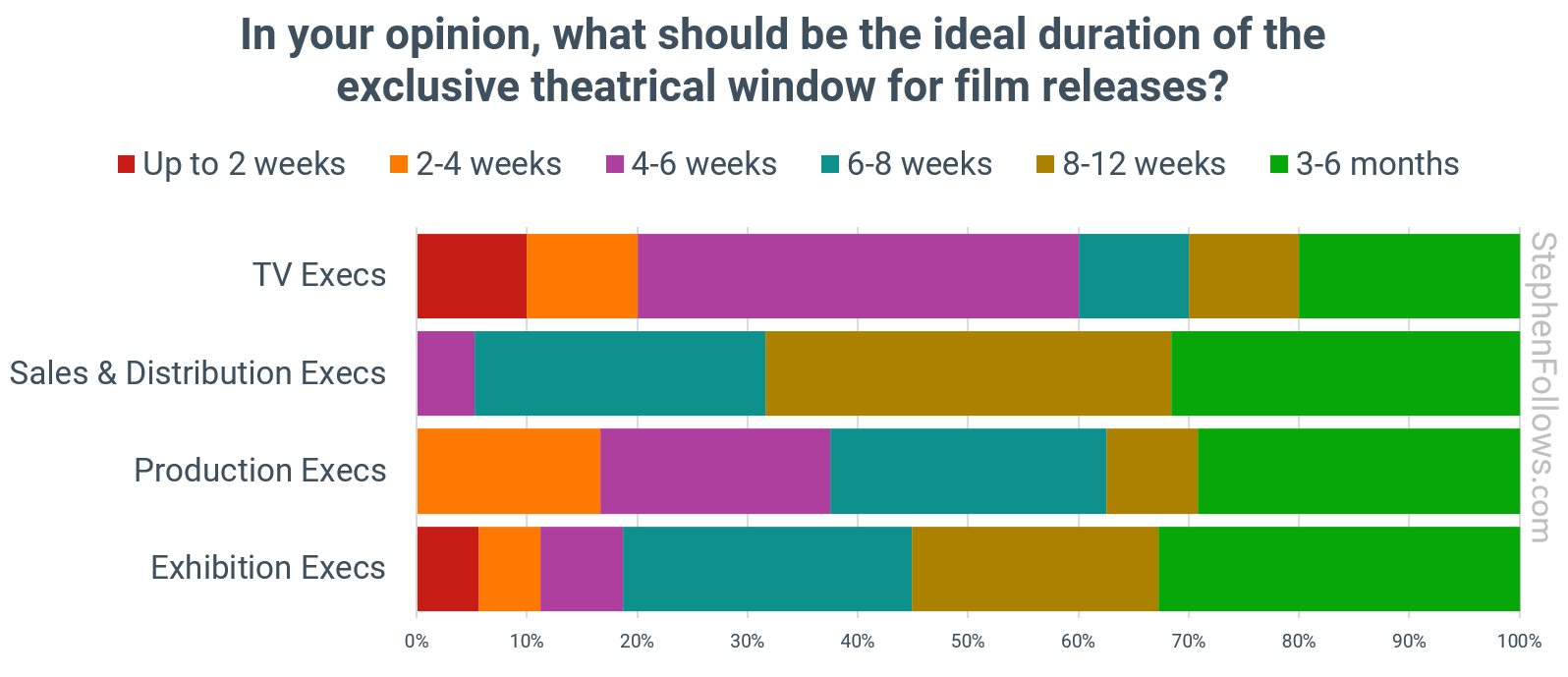
We saw this reflected in the quantitative part of the research. A majority of exhibition professionals want at least six weeks of exclusivity. In fact, 81% chose a window between six weeks and three months.
4. Listen to audiences
Cinema professionals are urging the industry to pay closer attention to the needs and preferences of real moviegoers.
Finding and serving your audience starts from the very first stages of development. Operators want films that reflect local tastes and the changing expectations of different generations.
Marketing, engagement and programming should all be based on actual audience feedback, not just creative instinct or industry trends.
They gave this advice to filmmakers:
